

Families everywhere are rethinking how they honor those they love. Instead of relying only on traditional urns or distant places, more people are turning to cremation art—ceramic memorials that incorporate cremated remains into the glaze—to create personal, lasting tributes at home.
At Ahava Memorials (www.ahavamemorials.com), we focus on handcrafted ceramic memorials that bring ashes into art in a respectful, permanent way. This approach blends craft, chemistry, and care, giving families a beautiful, functional piece that keeps connection close while honoring a life with intention.
What Is Cremation Art and Why Does It Matter?
Cremation art encompasses any creative process that incorporates cremated remains into functional or decorative pieces. Unlike traditional memorials, these aren't meant to be tucked away on a shelf. They're designed to be part of your daily life: artistic urns that serve as vases, planters, or simply beautiful objects that bring comfort and connection.
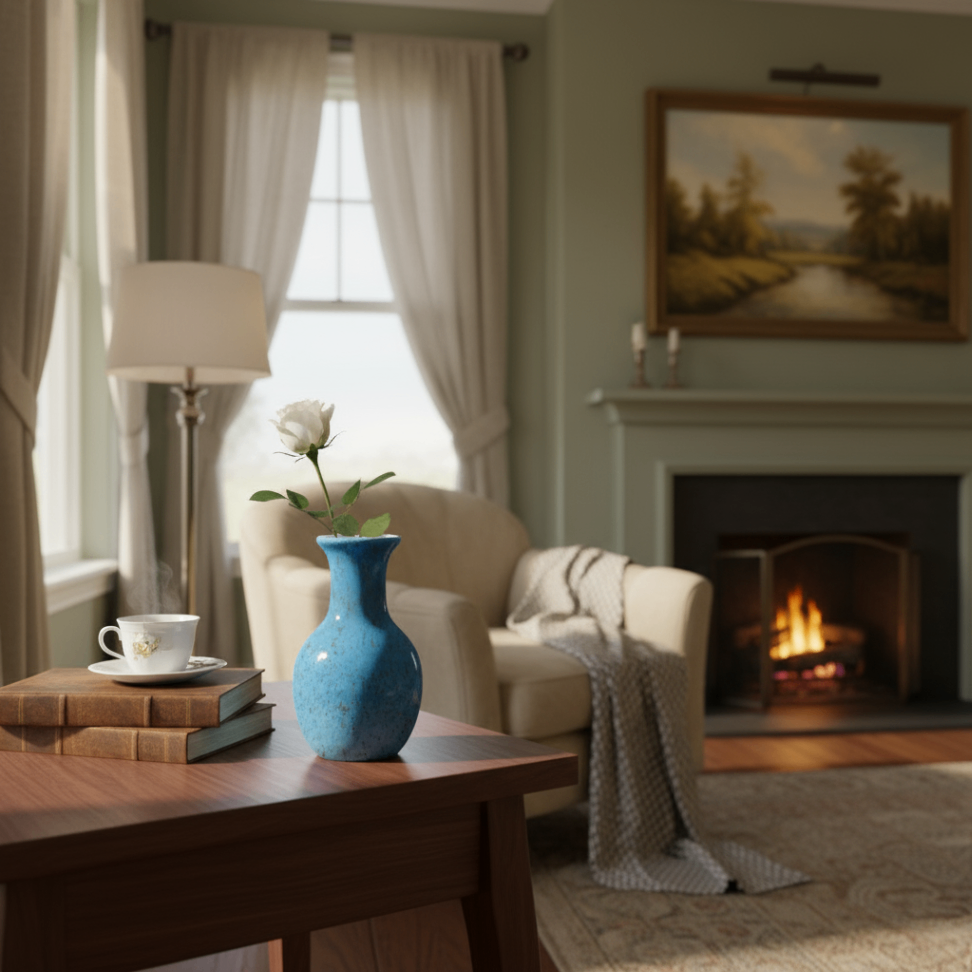
The beauty of ceramic memorials lies in their uniqueness. When we incorporate cremated remains into our glazes at www.ahavamemorials.com, the ashes interact with the ceramic materials in ways that can never be replicated. Each piece becomes as individual as the person it honors: no two are ever exactly alike.
"The ashes themselves become part of the artistic process," explains Daniel Hoffman, CEO of Ahava Memorials. "They influence the color, texture, and even the pattern of the final piece. It's like your loved one is helping to create their own memorial."
This represents a fundamental shift in how we think about memorialization. Instead of hiding remains away, we're celebrating them as part of beautiful, functional art that keeps our loved ones present in our daily lives.
The Magic of Ashes Into Art: How It Works
The process of transforming cremated remains into ceramic art is both scientific and deeply personal. At Ahava Memorials, we send a secure collection kit, then carefully prepare a small portion of the ashes—usually just a few tablespoons—to incorporate into our custom glaze formulations. From kit to finished piece, our handcrafted process typically takes 4–6 weeks.
"As Daniel Hoffman, CEO of Ahava Memorials, explains: 'It only takes a small amount—just a few tablespoons—to become a permanent, beautiful part of the glaze, leaving plenty of ashes for other memorial choices if a family wishes.'"
The cremated remains are mixed with ceramic glazes before firing. During the high-temperature kiln process, the ashes become permanently fused with the ceramic, creating unique patterns and subtle color variations that make each piece one-of-a-kind. The remaining ashes can be returned to the family or incorporated into additional pieces.
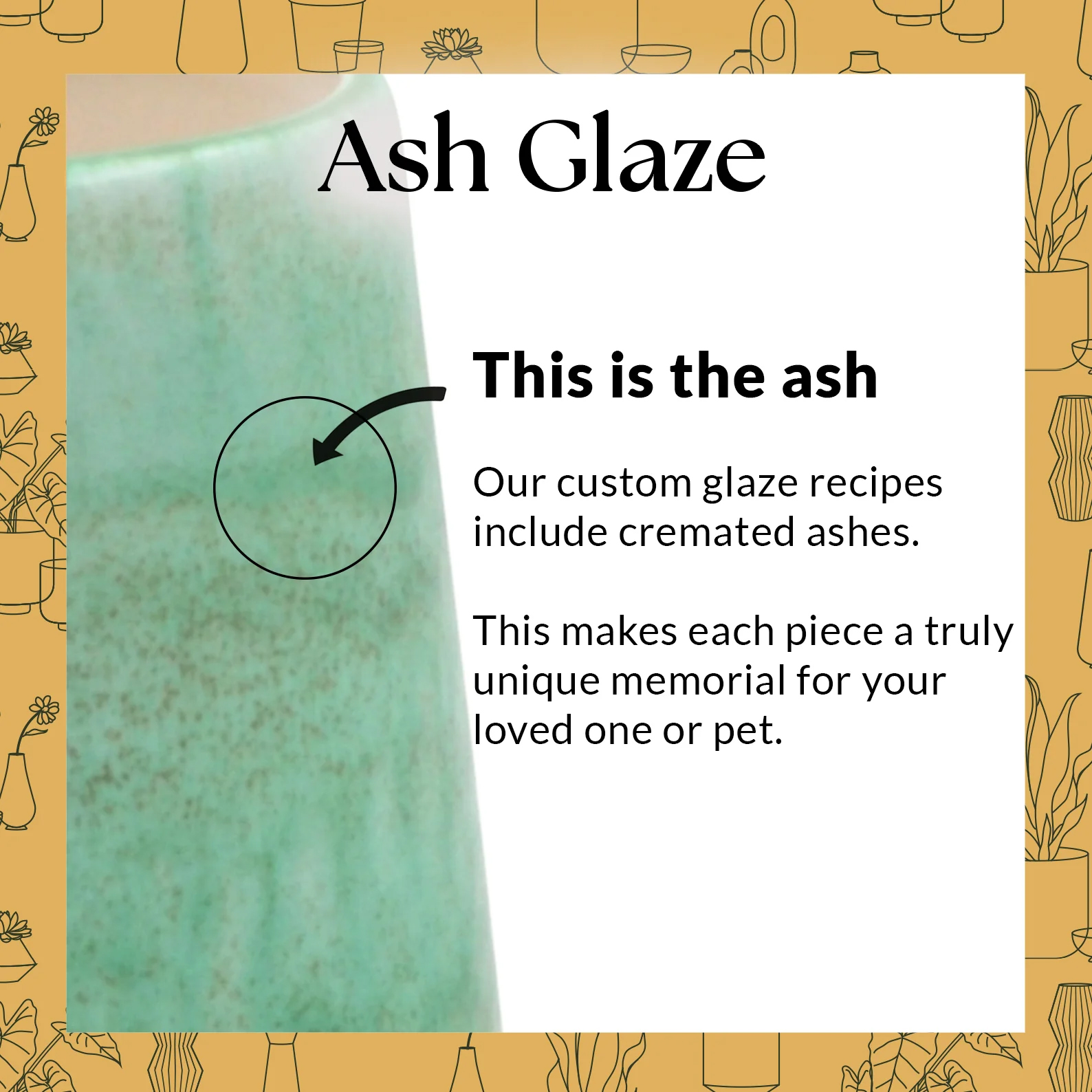
This process creates unique urns for ashes that go far beyond traditional storage vessels. They become living art pieces that tell a story. The organic patterns created by the ash interaction often surprise families: sometimes resembling clouds, water, or even abstract representations that hold special meaning.
Why Families Are Choosing Artistic Memorials
The shift toward cremation art isn't just about aesthetics: it's about finding more meaningful ways to process grief and maintain connections with loved ones. Traditional burial practices often create distance, both physical and emotional. Artistic memorials bring our loved ones home.
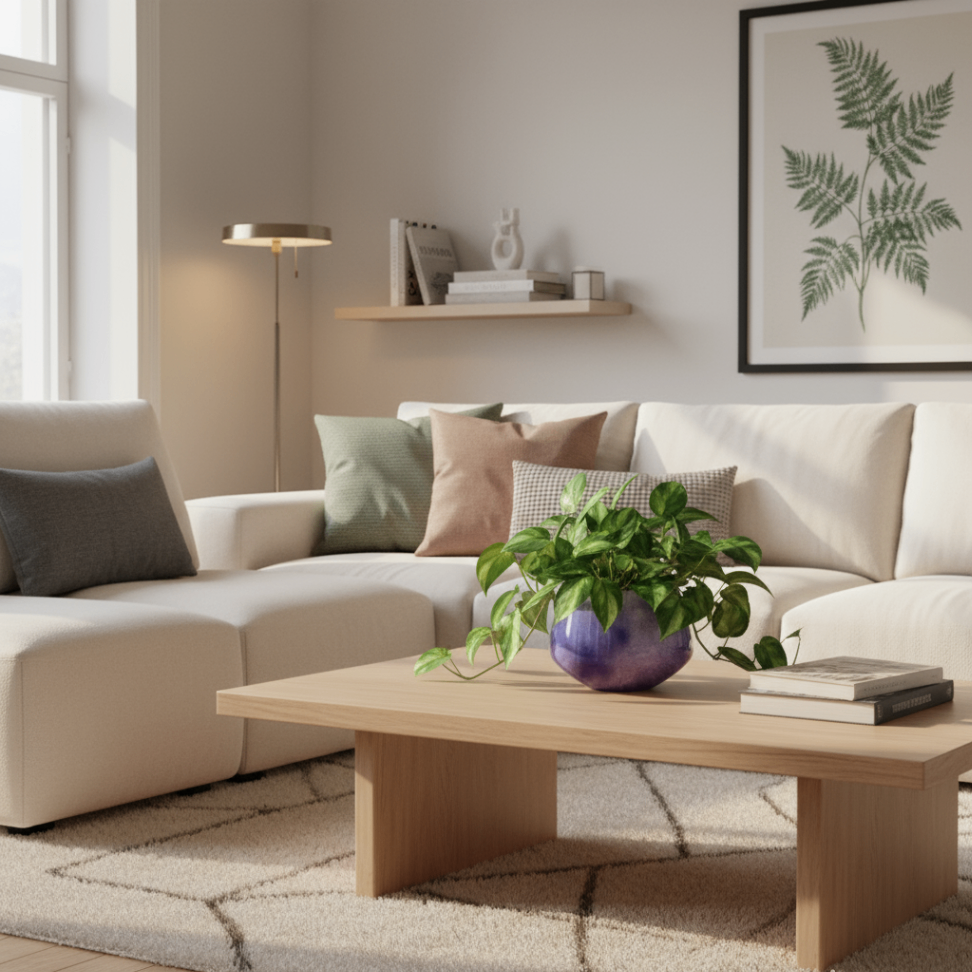
Consider the practical aspects: a beautiful ceramic vase that holds flowers can sit on your dining room table, bringing daily comfort and conversation. Unlike traditional urns that might feel somber or overwhelming, artistic pieces blend seamlessly into your home's décor while serving as gentle reminders of love and connection.
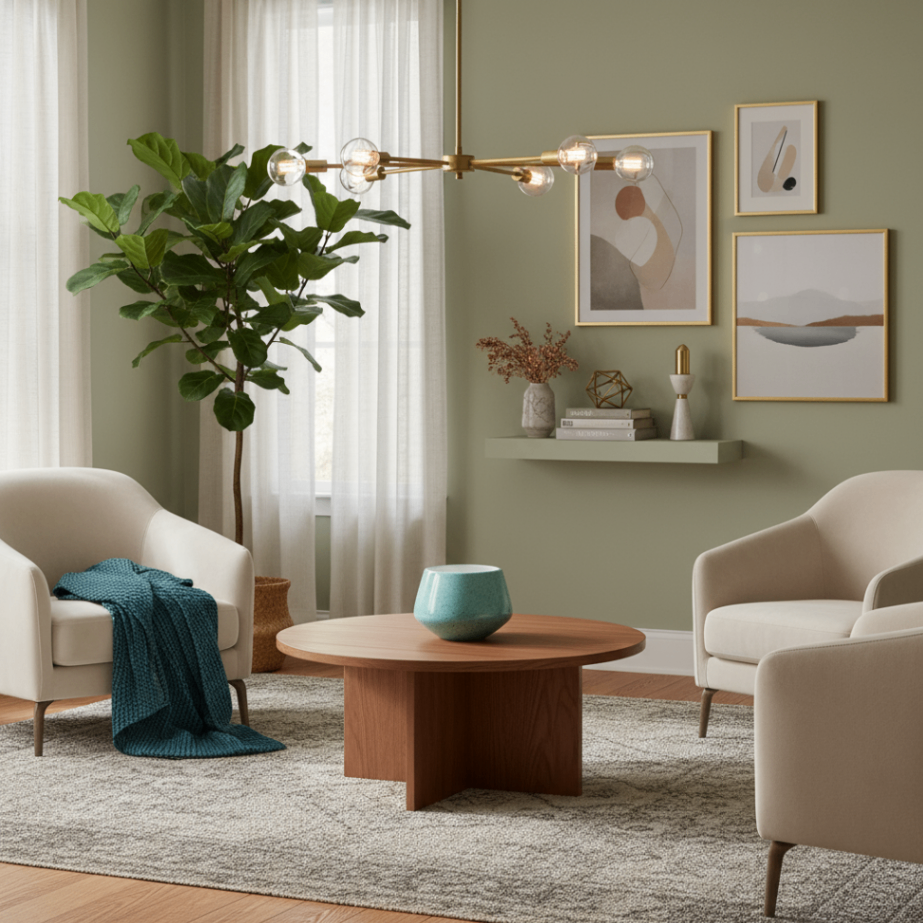
Families choose artistic memorials when they want closeness and continuity at home. Instead of a distant visit, you can share morning coffee near a memorial vase holding fresh flowers, or tend a memorial planter that grows alongside your grief and healing.
The emotional impact extends beyond the finished piece. The process itself: choosing colors, discussing the loved one's personality, watching the transformation: becomes part of the healing journey. It's active participation in creating something beautiful from loss.
Beyond Human Memorials: Honoring Our Furry Family
The artistic memorial movement has also embraced pet memorialization in powerful ways. Pet parents are discovering that their beloved companions deserve the same thoughtful, artistic tributes as human family members. Ceramic memorials for pets often incorporate elements that celebrate their unique personalities: colors that match their favorite toys, patterns that echo their favorite sleeping spots, or forms that reflect their playful spirits.
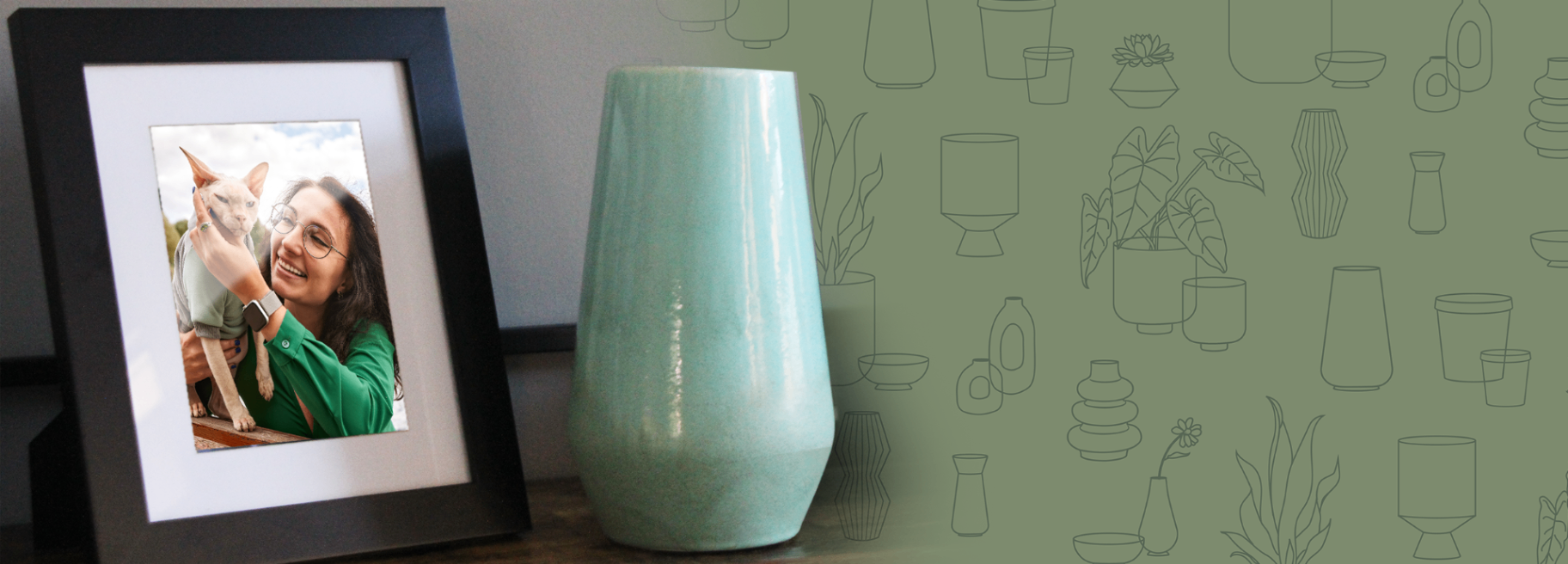
At www.ahavamemorials.com, we create pet memorials with the same care and artistry as human tributes. The process is identical: incorporating cremated remains into custom glazes that create unique, unrepeatable patterns. These pieces can help families celebrate the joy their companions brought, while offering a comforting, everyday connection.
The Uniqueness Factor: No Two Pieces Are Ever the Same
One of the most compelling aspects of cremation art is its inherent uniqueness. Unlike mass-produced memorial products, each ceramic piece created with cremated remains is absolutely one-of-a-kind. The chemical composition of cremated remains varies from person to person, influenced by factors like bone density, medications, and even diet. When these ashes interact with ceramic glazes during firing, they create patterns and color variations that are impossible to duplicate.
This uniqueness extends beyond the physical. The colors chosen, the form selected, the intended use: every decision reflects the individual being honored. A memorial vase might echo someone's love of gardening, while a decorative bowl could reflect their passion for cooking family meals.
Breaking Down Barriers and Taboos
Artistic cremation memorials are helping to break down long-standing cultural taboos around death and remains. By transforming ashes into beautiful, functional art, we're changing the conversation from one of loss and finality to one of continuation and celebration.
These pieces invite conversation rather than silence. When guests notice a beautiful ceramic vase and learn it's a memorial piece, the conversation can turn to fond memories and celebration of life rather than sorrow. It's a gentle way to keep loved ones present in family gatherings and daily interactions.
The accessibility factor is equally important. High-quality artistic memorials are more affordable than many traditional memorial options like headstones or mausoleums, making meaningful memorialization available to more families. At Ahava Memorials, we believe everyone deserves the opportunity to honor their loved ones with beauty and dignity.
Looking Forward: The Future of Memorial Art
As we look toward the future, cremation art continues to evolve and expand. Families are increasingly seeking artistic urns that reflect modern aesthetics and personal values. They want pieces that feel authentic to their loved ones and their own lifestyles.
The movement toward cremation art represents more than a trend: it's a fundamental shift in how we approach grief, memory, and the celebration of life. It acknowledges that healing happens differently for everyone and that there's no single "right" way to honor those we've lost.
At Ahava Memorials, we're honored to be part of this transformation. Every piece we create carries the love, memories, and continuing connection between families and their loved ones. Whether it's a memorial for a beloved human family member or a cherished pet, these artistic pieces serve as bridges between loss and healing, between goodbye and forever present.
The beauty of cremation art lies not just in its aesthetic appeal, but in its ability to transform our relationship with grief itself. By creating something beautiful from loss, we honor both the person we've lost and our own journey toward healing. In a world that often encourages us to "move on" from grief, artistic memorials give us permission to carry our loved ones with us in ways that feel authentic, beautiful, and deeply meaningful.
This is how artistic cremation art is changing everything: not by replacing traditional grief, but by expanding our options for honoring love that never ends.