

When you're faced with honoring a loved one's memory, the choice between traditional urns and memorial ceramics can feel overwhelming. Both options serve the same fundamental purpose: creating a lasting tribute: but they approach memorialization in distinctly different ways. At Ahava Memorials, we've seen families struggle with this decision, and I want to help you understand what makes each option meaningful so you can choose the tribute that feels right for your heart.
The Time-Honored Tradition of Classic Urns
Traditional urns have been the cornerstone of memorial services for centuries. These vessels typically feature classic materials like wood, brass, bronze, marble, or stainless steel, often adorned with intricate carvings and ornate details that reflect cultural and historical influences. There's something deeply comforting about their timeless design: they carry the weight of tradition and convey a sense of permanence that many families find reassuring.
What makes traditional urns particularly appealing is their formal dignity. They're designed to hold all of your loved one's ashes in a single vessel, creating a focal point for remembrance that commands respect. Whether displayed on a mantel, placed in a columbarium, or buried in a memorial garden, these urns make a statement about the importance and reverence of the life they represent.
The durability of traditional materials can't be understated either. Metal urns, especially those made from brass or bronze, offer exceptional longevity and weather resistance. They're built to withstand the elements if placed outdoors and require minimal maintenance to preserve their appearance over decades. For families who value stability and want assurance that their tribute will endure, traditional urns provide that peace of mind.
The Personal Touch of Memorial Ceramics
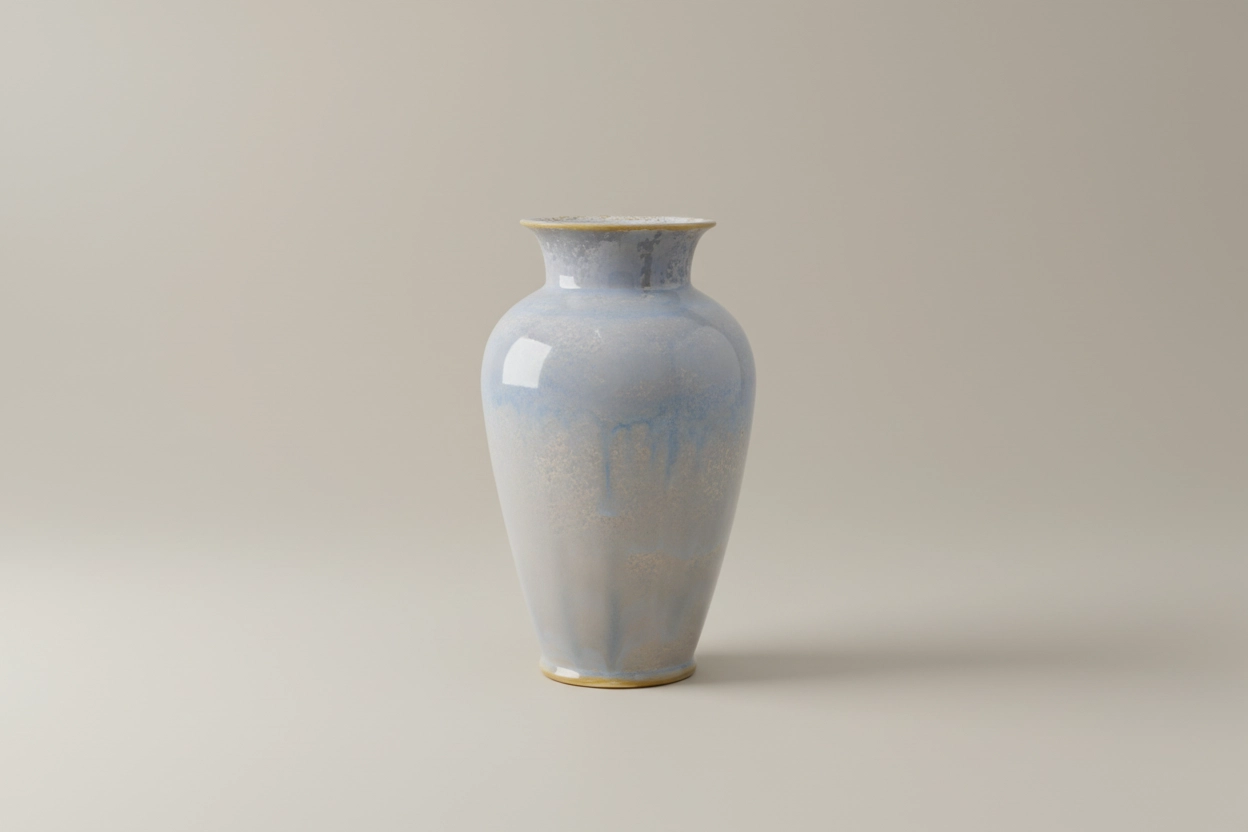
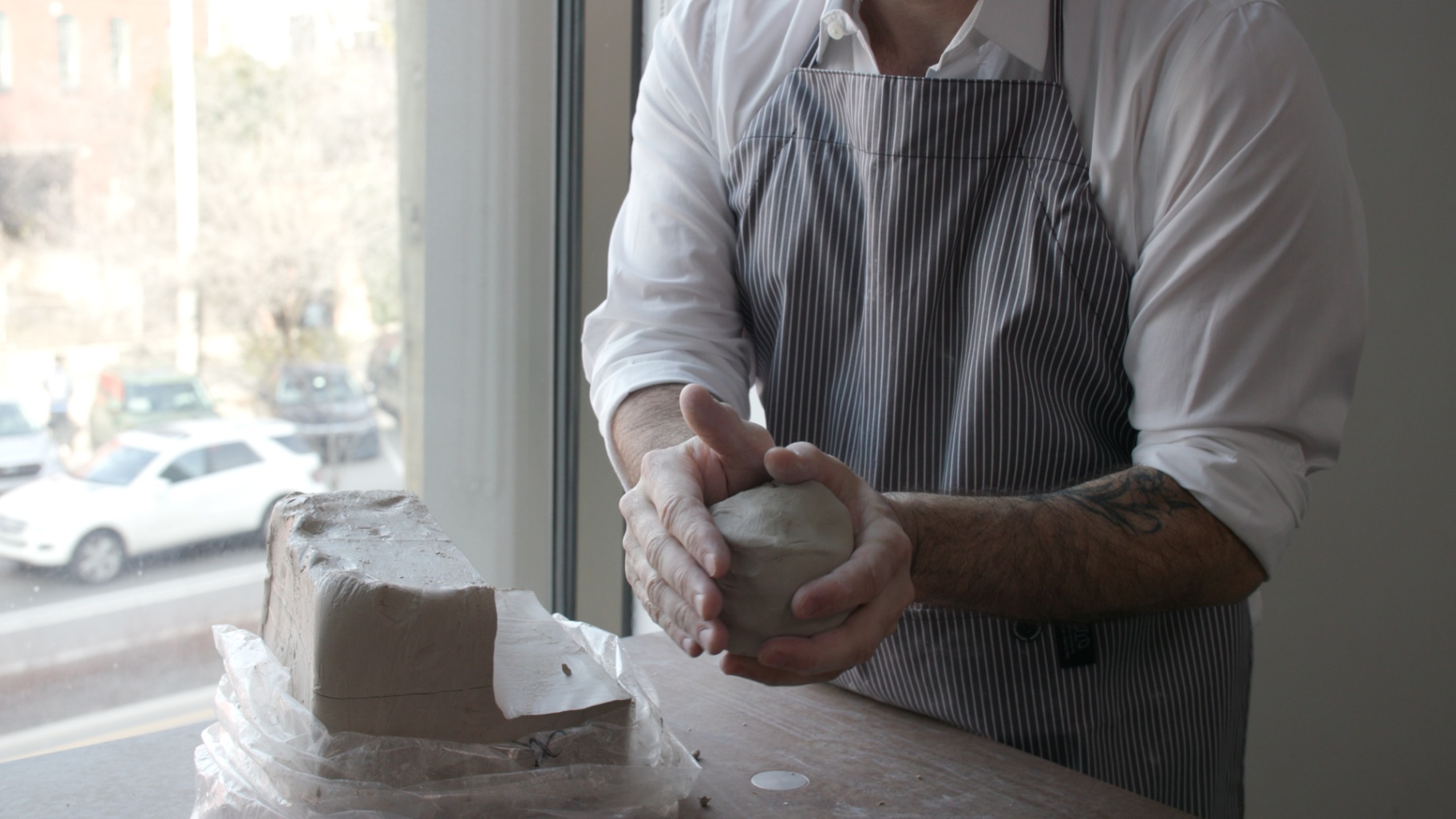
Memorial ceramics represent a completely different philosophy of remembrance: one that prioritizes personal expression and artistic beauty. At Ahava Memorials, we specialize in creating handcrafted ceramic vessels that incorporate your loved one's cremated remains directly into the glaze. This isn't just about holding ashes; it's about transforming them into something beautiful and uniquely meaningful.
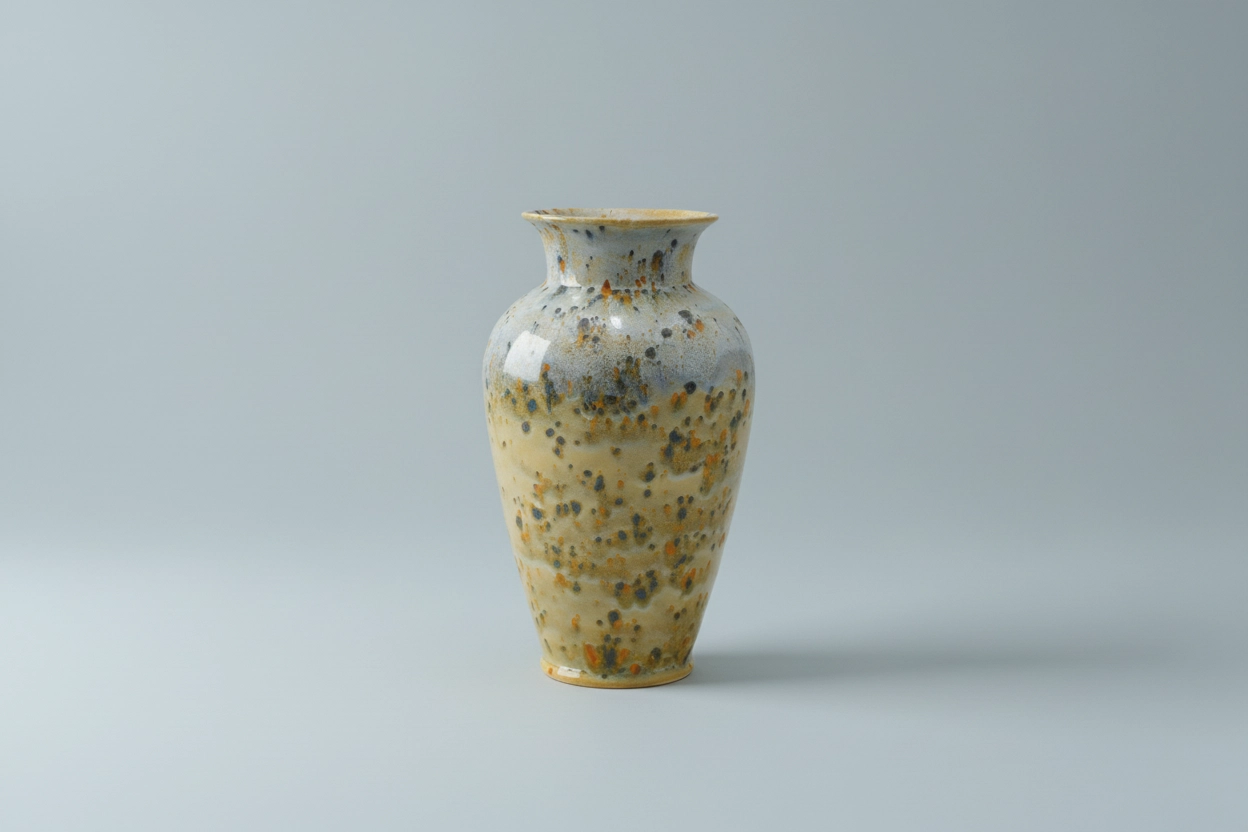
Each ceramic memorial we create is truly one-of-a-kind. When we incorporate cremated remains into our custom glaze recipes, the ashes create natural variations, speckles, and patterns that can never be replicated. The result is a vessel that doesn't just contain your loved one's remains: it becomes them in a very real, tangible way.
The artistic possibilities with memorial ceramics are virtually limitless. We can create vessels in any shape, size, or color palette that reflects your loved one's personality. Whether you envision something with nature-inspired motifs, modern geometric patterns, or soft earth tones that speak to their gentle spirit, ceramic offers the flexibility to bring those visions to life.
Comparing Emotional Impact and Meaning
The question of which creates a more meaningful tribute really comes down to how you connect with the concept of remembrance. Traditional urns create meaning through their sense of gravitas and cultural continuity. They speak to our collective understanding of how we've honored the deceased for generations, and there's profound comfort in participating in that tradition.
Memorial ceramics, on the other hand, generate meaning through personalization and the intimate connection between the memorial and your loved one. When you hold a ceramic vessel that contains your loved one's remains within its very structure, you're not just holding a container: you're holding them. Many families find this physical incorporation deeply moving and healing.
Consider Sarah, whose mother was an avid gardener. Rather than choosing a traditional urn, Sarah worked with us at Ahava Memorials to create a ceramic planter that incorporated her mother's ashes into a soft green glaze. Now, when Sarah tends to the flowers growing in that planter, she feels her mother's presence in a way that goes beyond symbolism: her mother is literally part of the vessel nurturing new life.
Practical Considerations for Your Decision
Beyond emotional impact, there are practical factors to consider. Traditional urns excel in situations requiring formal display or long-term outdoor placement. Their weather resistance and durability make them ideal for cemetery installation or garden memorials that will face the elements year-round.
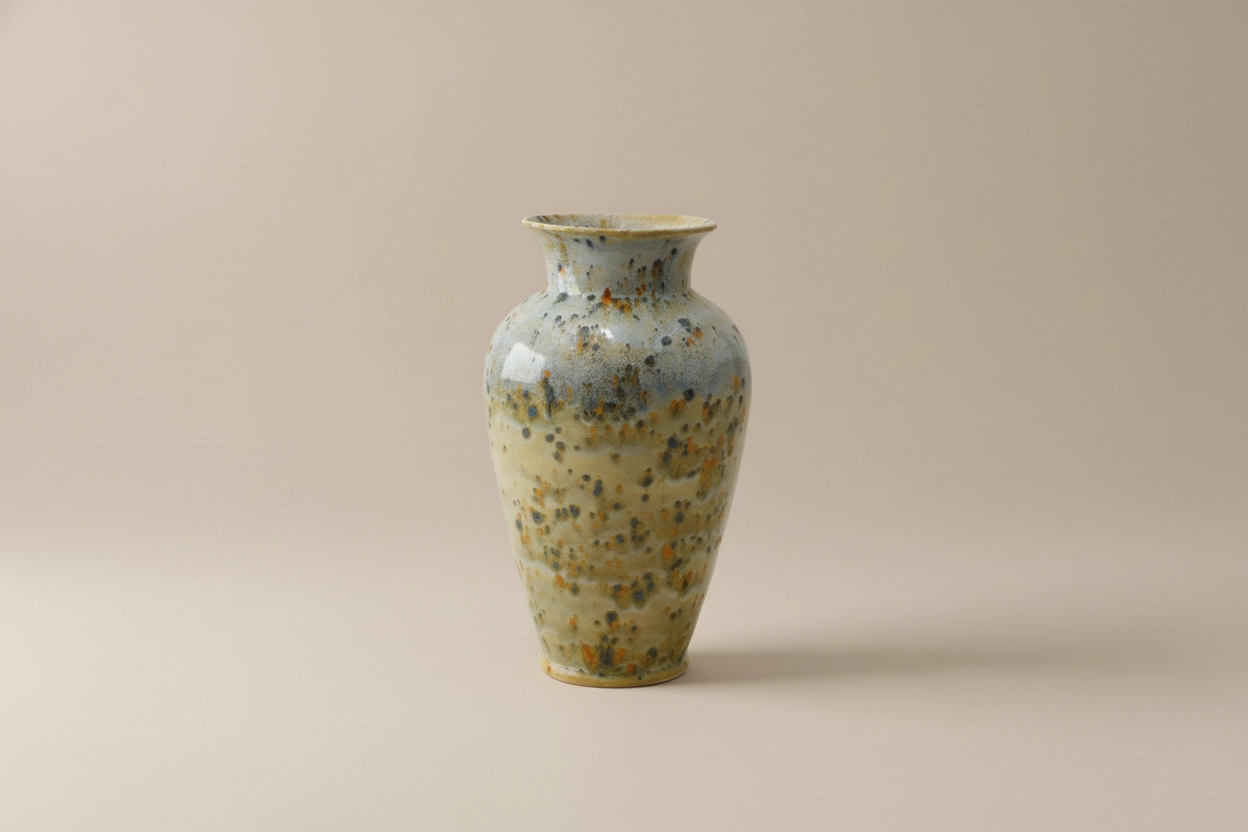
Memorial ceramics require more thoughtful placement and handling. While our pieces at www.ahavamemorials.com are fired at high temperatures for durability, they're still more delicate than metal alternatives. However, this perceived fragility often enhances rather than detracts from their meaning: families often tell us that the need for gentle care makes their interactions with the memorial more intentional and reverent.
Size and capacity also differ between these options. Traditional urns are typically designed to hold all cremated remains, usually ranging from 180 to 220 cubic inches for adult remains. Memorial ceramics offer more flexibility: you might choose to have multiple smaller vessels created, allowing family members to each have their own memorial piece, or combine a primary vessel with smaller keepsake pieces.
The Growing Appeal of Artistic Memorialization
There's been a significant shift in recent years toward more personalized memorialization. Families are increasingly seeking ways to celebrate the unique aspects of their loved ones rather than conforming to standard memorial practices. This trend has made memorial ceramics increasingly popular, especially among families who want their tribute to tell a story.
At Ahava Memorials, we've created ceramic memorial pieces shaped like everything from traditional vases to modern sculptural forms. Some families choose multiple coordinated pieces: perhaps a larger display vessel alongside smaller ornaments that can be shared among family members or displayed in different locations throughout the home.
Cost Considerations and Value Perspectives
Traditional urns often represent a more straightforward cost structure, with prices primarily determined by materials and craftsmanship level. You can find quality traditional urns across a wide price range, from simple wooden vessels to elaborate bronze pieces with intricate detailing.
Memorial ceramics typically involve more labor-intensive creation processes, especially when incorporating cremated remains into custom glazes. However, many families find the personalization value justifies the investment. When you consider that you're getting a completely unique piece that can never be replicated, the value proposition becomes clearer.
Making Your Choice: Questions to Consider
To help determine which option might be more meaningful for your situation, consider these questions:
How important is personalization to you? If you want your memorial to capture your loved one's unique personality and story, memorial ceramics offer unmatched customization options.
Where will the memorial be displayed? Traditional urns handle outdoor placement and formal settings exceptionally well, while memorial ceramics shine in intimate, protected environments.
Do you prefer tradition or innovation? Some families find comfort in following established memorial practices, while others are drawn to newer approaches that break from convention.
How do you want to interact with the memorial? Traditional urns typically serve as focal points for contemplation, while memorial ceramics: especially those incorporating remains into the piece itself: invite more tactile, intimate connection.
Finding Meaning in Your Choice
Ultimately, both traditional urns and memorial ceramics can create profoundly meaningful tributes. The "right" choice isn't about which option is objectively better: it's about which approach resonates with your heart and honors your loved one in the way that feels most authentic to who they were and what they meant to you.
At Ahava Memorials, we believe that every memorial should be as unique as the life it honors. Whether you choose the timeless dignity of a traditional urn or the personal artistry of a ceramic memorial, what matters most is that your choice helps you process grief, celebrate a life well-lived, and create a lasting connection to the memories you hold dear. The most meaningful tribute is the one that helps you heal while keeping your loved one's spirit alive in your daily life.